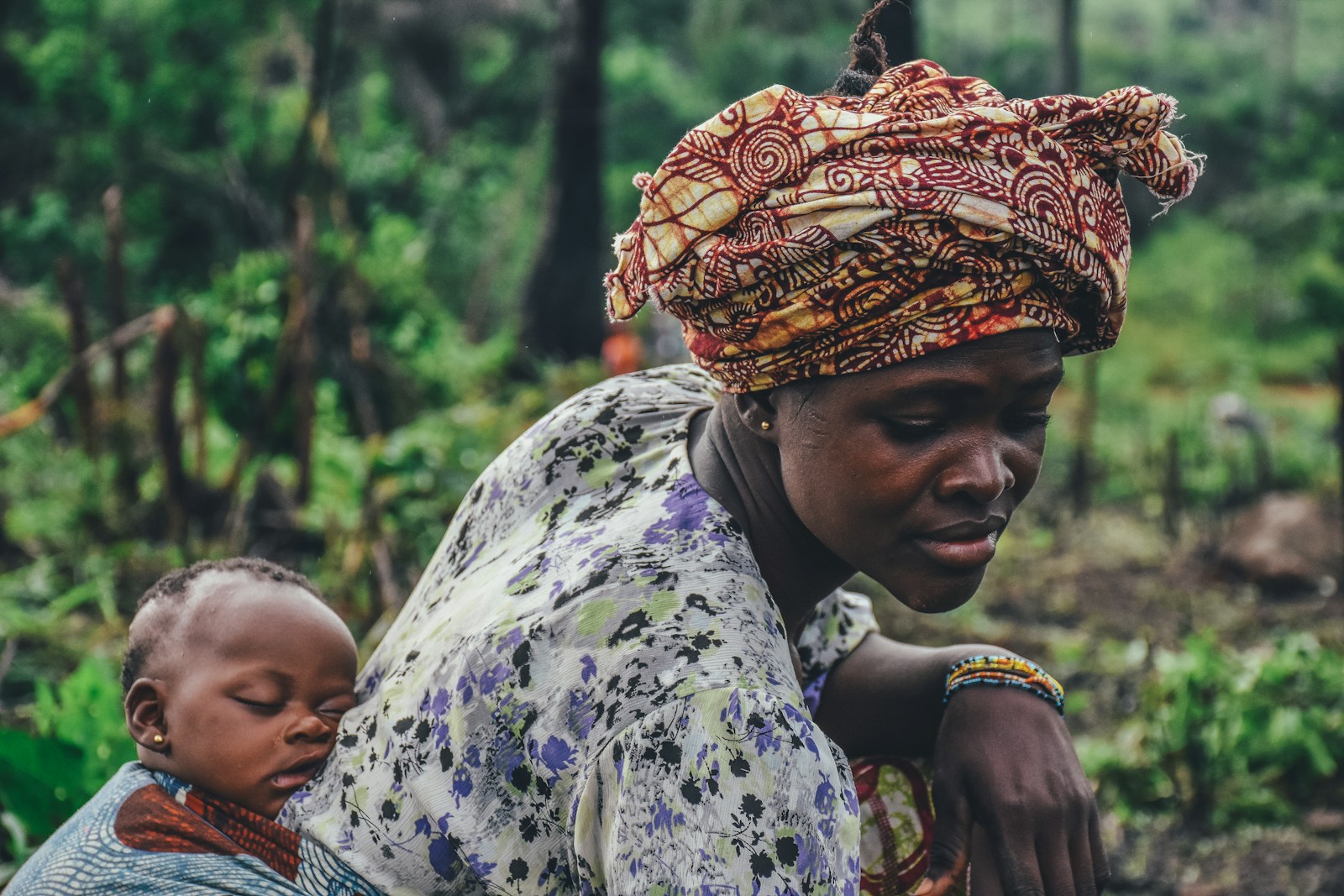
Across Africa, the story of progress is deeply intertwined with the story of women.
From the quiet resilience of mothers raising families in rural villages to the bold determination of women entrepreneurs transforming local economies, African women are not just participants in society they are its backbone.
Yet for generations, their contributions have often been underrecognized, undervalued, and under-supported.
On International Women’s Day, we pause not only to celebrate women, but to reflect on a powerful truth: the future of Africa will be shaped by how much we empower, educate, and support women today.
For leaders, policymakers, entrepreneurs, and communities, this is not merely a social issue. It is a development imperative.
As someone deeply involved in youth empowerment, financial resilience, and community transformation through Inspired Africa, I have come to believe that empowering women is one of the most powerful strategies for building prosperous societies.
Because when women rise, entire communities rise with them.
Women: The Pillars of African Families and Communities.
Across African cultures, women have long been the foundation of families and communities.
They are caregivers, teachers, mediators, farmers, entrepreneurs, and community leaders.
In many rural homes, it is women who wake up before dawn tending farms, preparing children for school, managing households, and supporting local markets.
Yet despite this immense responsibility, millions of women across Africa still face systemic barriers:
- Limited access to education.
- Restricted financial opportunities.
- Cultural barriers to leadership.
- Unequal economic participation.
This reality is not just unfair it is economically destructive.
When women lack opportunities, communities lose innovation, economies lose productivity, and societies lose progress.
But when women are empowered, the impact is extraordinary.
Studies consistently show that women reinvest more of their income into their families supporting education, health, and community wellbeing.
In other words, empowering women is not charity.
It is smart development.
The Transformational Power of Educating Girls.
If there is one investment capable of transforming Africa’s future, it is educating girls.
Education does far more than provide academic knowledge. It unlocks confidence, opportunity, and leadership.
A girl who stays in school is more likely to:
- Build a sustainable career.
- Start a business.
- Support her family economically.
- Raise healthier children.
- Participate in leadership and governance.
Across the continent, we are already witnessing remarkable examples.
Young African women are becoming scientists, engineers, entrepreneurs, policymakers, and innovators. They are leading startups, transforming agriculture, and shaping digital economies.
But millions of girls are still denied this opportunity.
Some leave school due to poverty.
Others due to early marriage or cultural expectations.
Changing this reality requires collective effort from governments, communities, families, and leaders.
Because every educated girl is not just an individual success story she is a catalyst for societal transformation.
Women Entrepreneurs Transforming African Economies.
One of the most inspiring developments across Africa today is the rise of women entrepreneurship.
From small market traders to technology founders, African women are creating businesses that support families and power local economies.
Walk through any market in Kenya, Ghana, Nigeria, or Tanzania and you will see it clearly.
Women dominate local commerce.
They sell produce, run small shops, manage supply chains, and support agricultural value chains.
Yet despite their entrepreneurial energy, many women face major challenges:
- Limited access to capital.
- Lack of financial literacy support.
- Limited access to markets.
- Structural barriers in formal finance systems.
This is where financial institutions, governments, and development leaders must step forward.
As someone working in the financial sector and engaging entrepreneurs across communities, I have seen firsthand how access to finance can transform lives.
A single loan can help a woman expand her small shop.
A training program can turn a market trader into a successful agribusiness owner.
A supportive ecosystem can transform a micro-business into a thriving enterprise.
And when that happens, the benefits ripple outward supporting families, educating children, and strengthening local economies.
Why Men Must Become Allies in Gender Equality.
The movement for women empowerment cannot succeed if it is seen as a struggle by women alone.
True transformation requires men to become active allies.
Gender equality is not about replacing men.
It is about creating a society where everyone has the opportunity to thrive.
Fathers must support daughters’ education.
Husbands must support their partners’ ambitions.
Community leaders must challenge harmful stereotypes.
Young boys must grow up understanding that respect, equality, and partnership are strengths not weaknesses.
In my own journey working with youth and communities, I have seen that real progress happens when men and women work together as partners in development.
Because building stronger societies requires collective leadership.
The Future of Empowered African Women.
Africa is the youngest continent in the world.
And its future will be shaped by the leadership of its young people especially its young women.
Imagine an Africa where:
Girls complete education without barriers.
Women entrepreneurs have equal access to finance.
Women lead businesses, governments, and institutions.
Communities celebrate female leadership rather than question it.
Young women innovators build technologies that solve Africa’s greatest challenges.
This vision is not unrealistic.
It is already beginning to unfold.
Across the continent, women are leading environmental movements, launching startups, advancing education, and shaping public policy.
They are proving every day that empowering women is not about charity it is about unlocking Africa’s greatest untapped potential.
A Personal Reflection: Why Women Empowerment Matters to Me.
As a Kenyan leader and founder of Inspired Africa, I have always believed that real development begins with people.
Not just policies.
Not just infrastructure.
But people.
And among those people, women are often the quiet drivers of transformation.
In many communities I have interacted with, women are the ones organizing community groups, mentoring young people, supporting families, and sustaining local economies.
They are leaders even when society does not always give them the title.
That is why empowering women is not simply a celebration for one day.
It is a commitment that must guide how we build communities, institutions, and opportunities.
Because a stronger Africa will be built not only by great leaders but by empowered women who shape the future of generations.
A Call to Action: Building a Future That Empowers Women.
International Women’s Day should inspire more than celebration.
It should inspire action.
Each of us has a role to play.
Support girls’ education.
Mentor young women.
Promote women leadership.
Invest in women entrepreneurs.
Challenge systems that limit women’s opportunities.
When we empower women, we are not just helping individuals.
We are shaping the future of our communities, our economies, and our continent.
Africa’s greatest potential lies not only in its resources, but in its people.
And among those people are millions of women whose leadership, resilience, and vision will shape the Africa of tomorrow.
The question is not whether women can lead Africa’s transformation.
They already are.
The real question is whether the world will recognize, support, and invest in that leadership.
Because when African women rise, Africa rises with them.
No responses yet